
Cover Story
Urinary Incontinence
Surgical procedures such as Sling procedures and colposuspension, depend upon the severity of symptoms and the type of incontinence
ByKranti Gadgil
October 4, 2021 (IANSlife) Do you ignore your bladder problem? Does laughing, sneezing makes you lose your bladder control. It can lead to incontinence. Urinary incontinence is common in women but is under-reported and under-treated. Urine storage and emptying is complex coordination between bladder and urethra, and disturbances in the system due to childbirth, ageing, or other medical conditions can lead to urinary incontinence.
Urinary incontinence simply means leaking urine, due to weak pelvic floor muscles or other symptoms like the urge to urinate, unable to empty bladder, frequent bathroom visits.
Incontinence can range from leaking just a few drops of urine to complete emptying of the bladder.
In pregnancy, 4 in 10 women get urinary incontinence. During pregnancy as the baby grows, there is pressure on the bladder, urethra and pelvic floor muscles. In case of normal delivery during labour and childbirth weakness of pelvic floor muscles.
Symptoms
- Urgency: Having a strong urge to urinate.
- Frequency: Frequent urination than regular.
- Nocturia: Waking up from sleep to urinate.
- Dysuria: Painful urination.
- Nocturnal enuresis: Wetting bed while sleeping.
Types of Incontinence
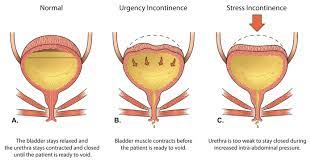
Urinary incontinence is often divided into 3 distinct subtypes:
- Stress Incontinence
- Urge Incontinence
- Mixed Incontinence
Stress Incontinence
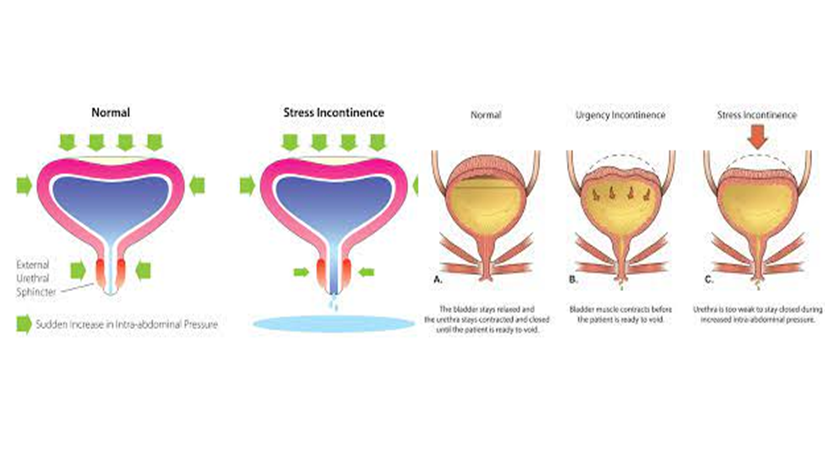
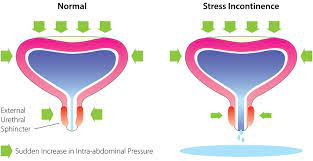
Stress urinary incontinence involves the involuntary loss of urine due to physical activity such as coughing, laughing, or sneezing. It involves a weakening of muscular support at the ureterovesical junction, which causes hypermobility of the urethra during times of increased intraabdominal pressure. When you sneeze, cough, laugh or lift heavy you may have a urine leak. Sometimes while exercise or running you may have a urine leak.
Urge Incontinence
Urge urinary incontinence involves a sudden urgency to void, often with the sensation being too difficult to control. You feel a strong urge to urinate even when the bladder is not full. This is when you have an overactive bladder.
Mixed Incontinence
Mixed urinary incontinence involves a strong, uncontrollable urge to void accompanied by loss of urine during physical activity.
How to Diagnose
- Physical examination: A therapist will perform an examination to identify the causes of your urinary incontinence, and will ask you to describe symptoms and your daily experiences. May assess the muscles of your pelvis hip and low back as well as coordination, strength and flexibility of the muscles of your pelvis floor muscles.
- Cough Test: A cough stress test is performed by using a catheter to introduce sterile water into the bladder. The patient is then asked to stand and cough forcefully and the clinician will observe for urine loss
- Pad Test: This can help to show how much urine is leaking. You are given an absorbent pad that are been before the test and weighed after the test. It is a method to quantify urine loss. It can be performed at home.
Treatment
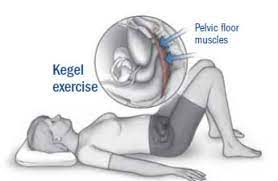
- Pelvic floor exercises: Pelvic floor muscle ( KEGEL EXERCISE) is a first-line treatment recommended. It’s a key factor in the prevention and treatment of UI. This is found to be effective in 50% of cases.
It helps:
- Strengthen pelvic floor muscles.
- Increase intraurethral pressure.
- Urethra to maintain continence.
Fast repeated contractions of the levator ani musculature have been demonstrated to stimulate the sacral reflex arch to suppress urinary urgency and frequency to improve UI symptoms.
- Bladder Training
- It gradually helps to regain control over the bladder.
- Delaying event: to control the urge of urination whenever to do so
- Double voiding: Waiting for a couple of minutes and urinating again.
- Toilet timetable: To schedule bathroom visits at a set time.
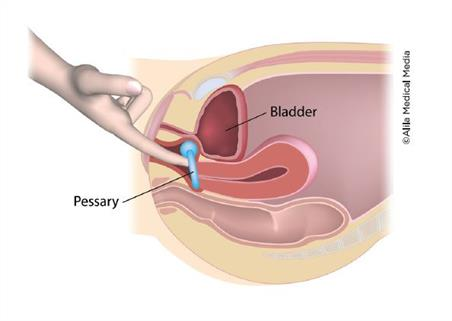
Mechanical Devices
A vaginal pessary is a small plastic or silicone device that support the walls of your vagina to lift the bladder and urethra. It supports the pelvic floor muscles and helps to reduce stress incontinence.
BioFeedback
Use of mild electric pulses to stimulate nerves in the bladder. The pulse increases blood flow to the bladder and strengthen the muscles that help to control the bladder. Its found to help in urge incontinence.
Lifestyle Changes
- Quit smoking
- Balance diet
- Weight check
Surgery
If conservative and or medical therapies don’t help, surgical treatment is an option. Surgical procedures such as Sling procedures and colposuspension, depend upon the severity of symptoms and the type of incontinence.
(Kranti Gadgil, Senior physiotherapist, Cloudnine Group of Hospitals, Pune (Shivajinagar))
(This article is website exclusive and cannot be reproduced without the permission of IANSlife)
IANSlife can be contacted ianslife@ians.in